SHIPPED
Titan by Certis
Full-suite native incident management & tracking.
Certis uses Titan, an incident management system, internally. Titan consists of a mobile app for on-ground security staff and a web admin platform for operators and senior management. The system digitizes the way staff records, manages, and analyzes incidents while also monitoring their health and alertness for their welfare.
Skills
Branding Mobile app design Web app design
Role
Digital Art Director (UI/UX)
Timeline
1 Year
Company
Untitled Project Singapore
The challenge
"How can we improve & increase the efficient usage of our incident management platform, and make it ready to be shipped out as a white-label product for future clients?"
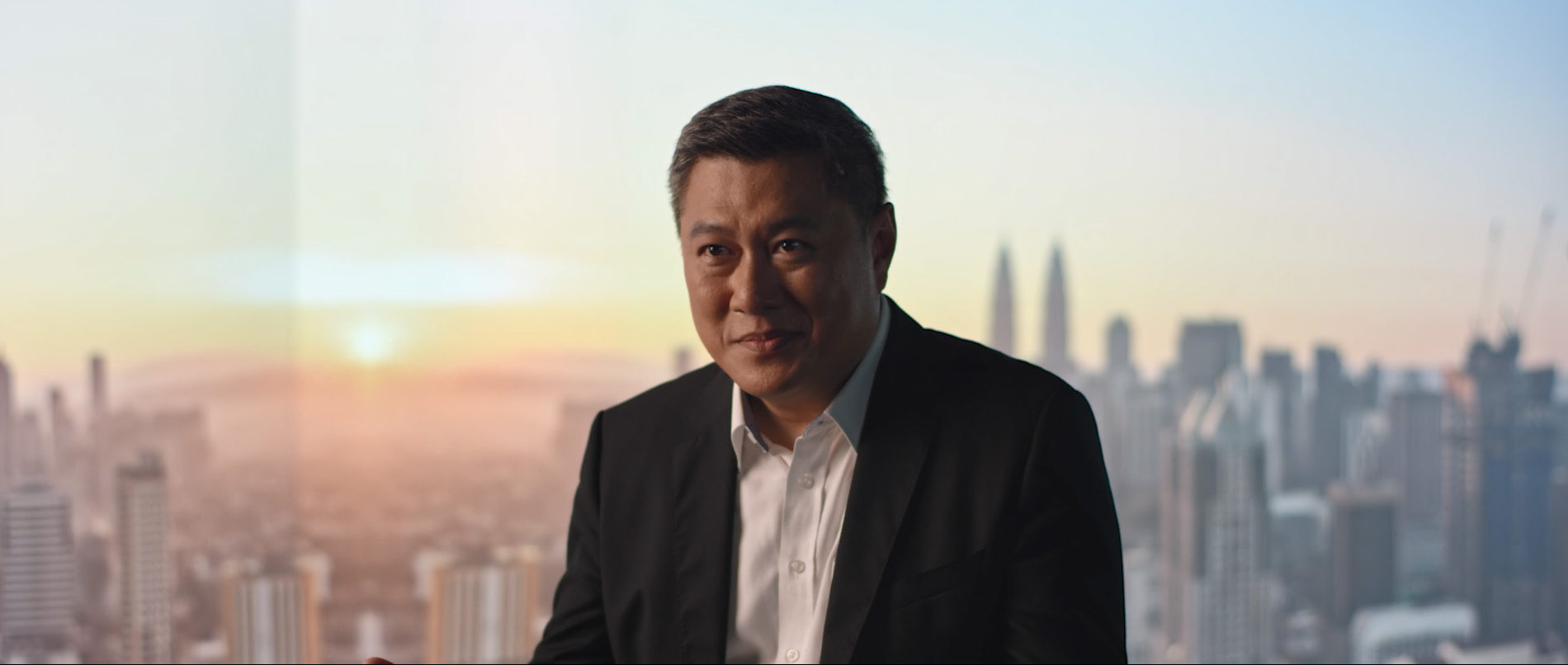
Fuji Foo, VP of Business Digitalisation
The process
To improve the current experience, we had to place heavy emphasis on research & heuristics analysis. Accessibility was also a focus as majority of the users were elderly.
Only after getting these learnings & schematics can we design a tailored solution for the user.
Heuristics analysis
After an exclusive play-around with the existing app, we found that while it had some functional purpose, there were pressing issues with readability, function visibility, and visual hierarchy.
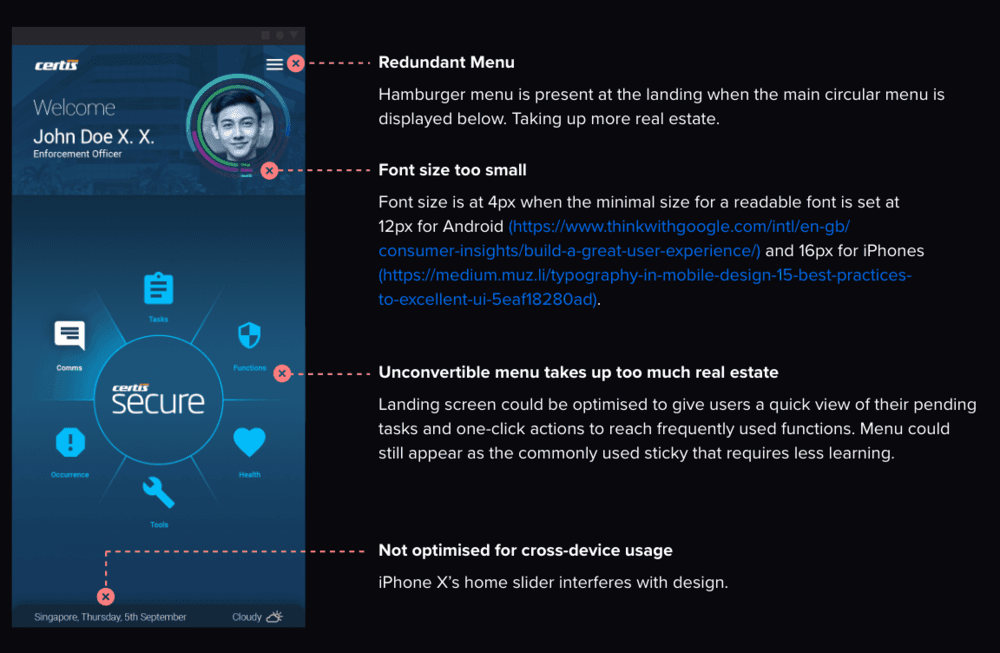
Quick scan of the homepage of the mobile app alone revealed many discrepancies.
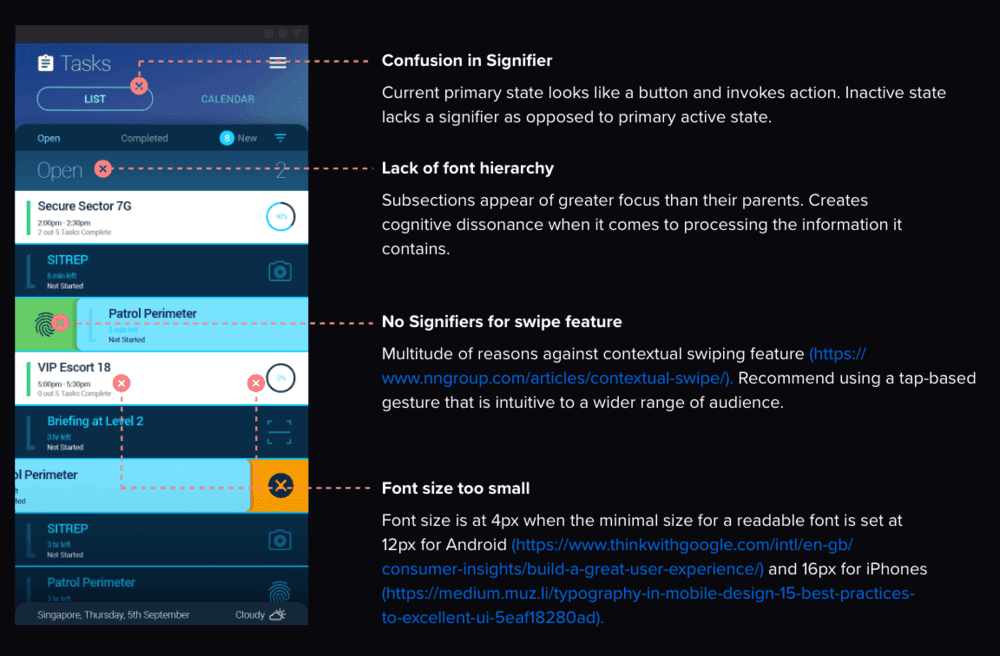
Within the actual task completion process, the biggest issue lay behind legibility and contextual actions.
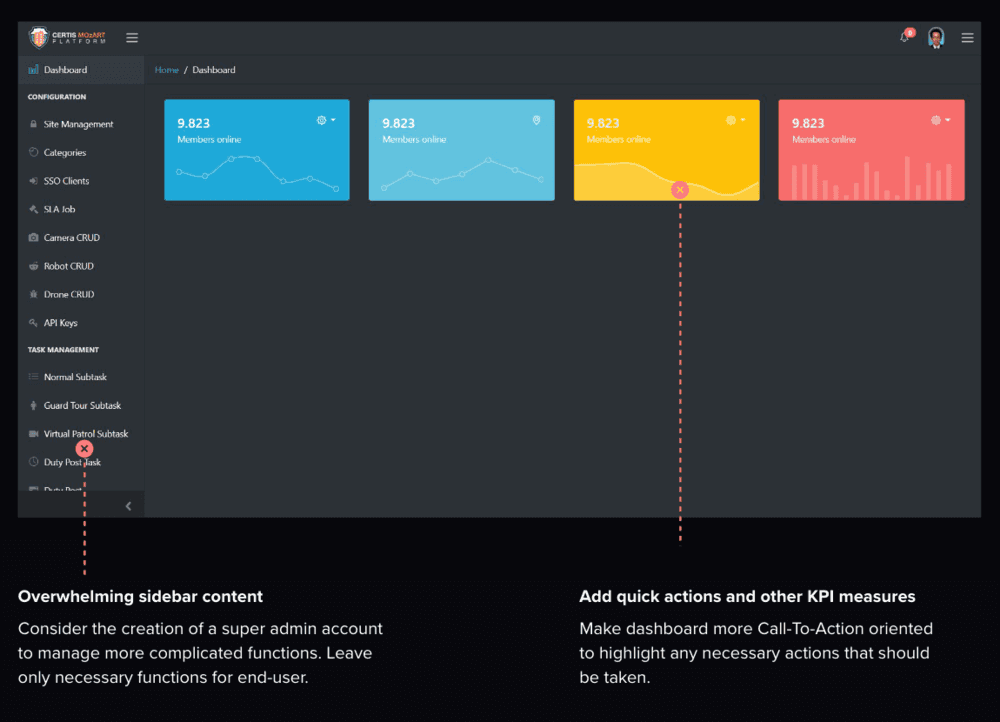
The admin dashboard lacked actionable content on first glance and had them hidden behind a scroll.
Competitor analysis
Incident management systems are not new, and we found notable overseas competitors providing the same functions as Certis, including real-time tracking of activity, events & incidents, a mobile app for staff, and an admin platform with reporting functions.
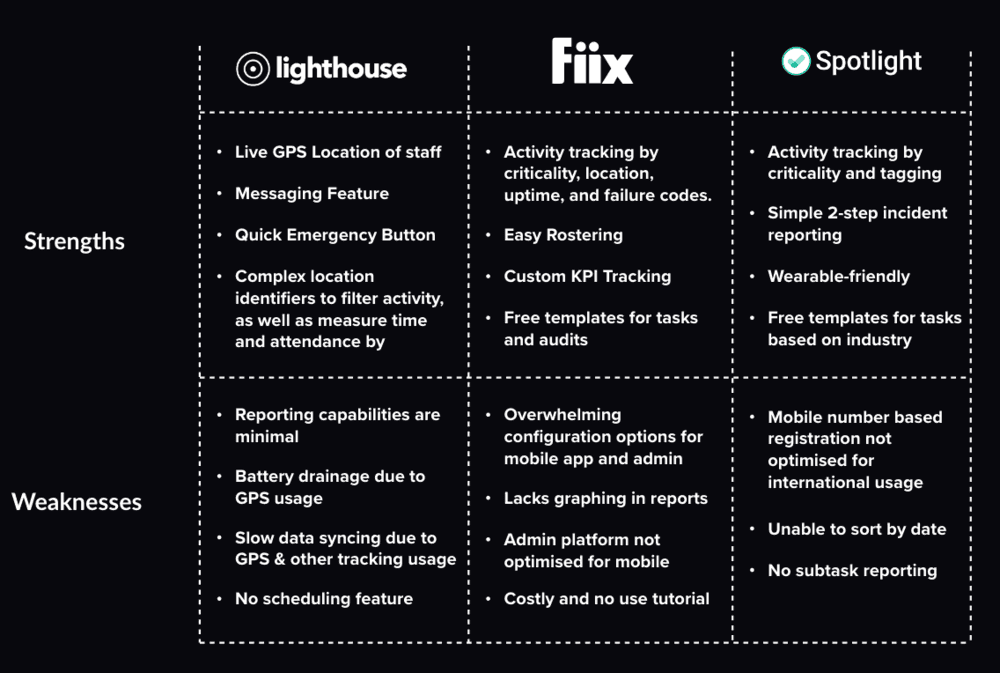
A cross reference to find the strengths and weaknesses behind similar competitors
Client & user interviews
We began the redesign process by checking in with the client on their needs and thoughts on the current and future versions of their incident management system. We then interviewed the on-ground security staff and operator admin staff in two phases: a quantitative questionnaire followed by a qualitative interview. To encourage openness during the qualitative interviews, we made small talk to put the users at ease and encourage them to share more information
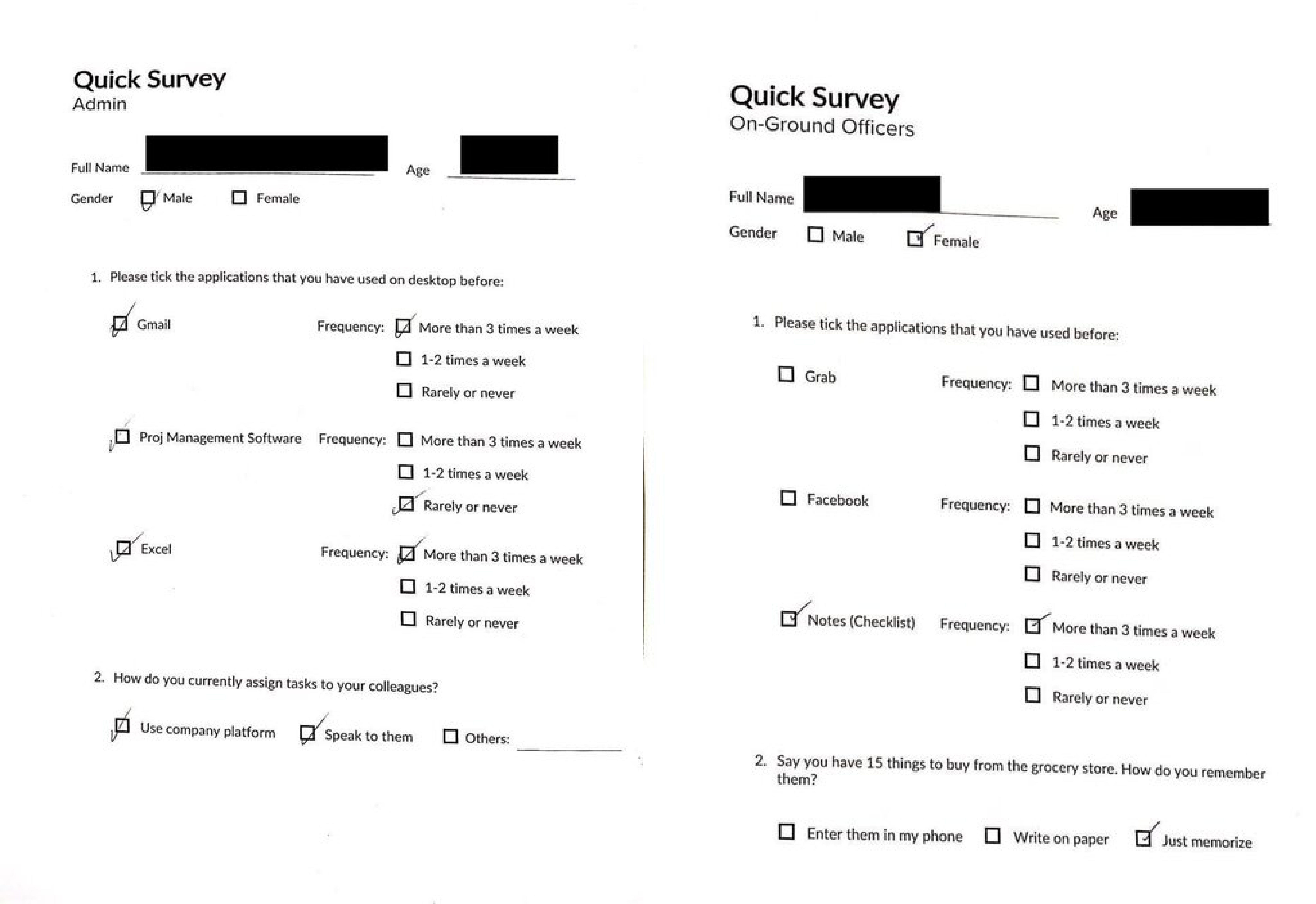
Survey chits to obtain quantitative data on tech familiarity, pain points and more.
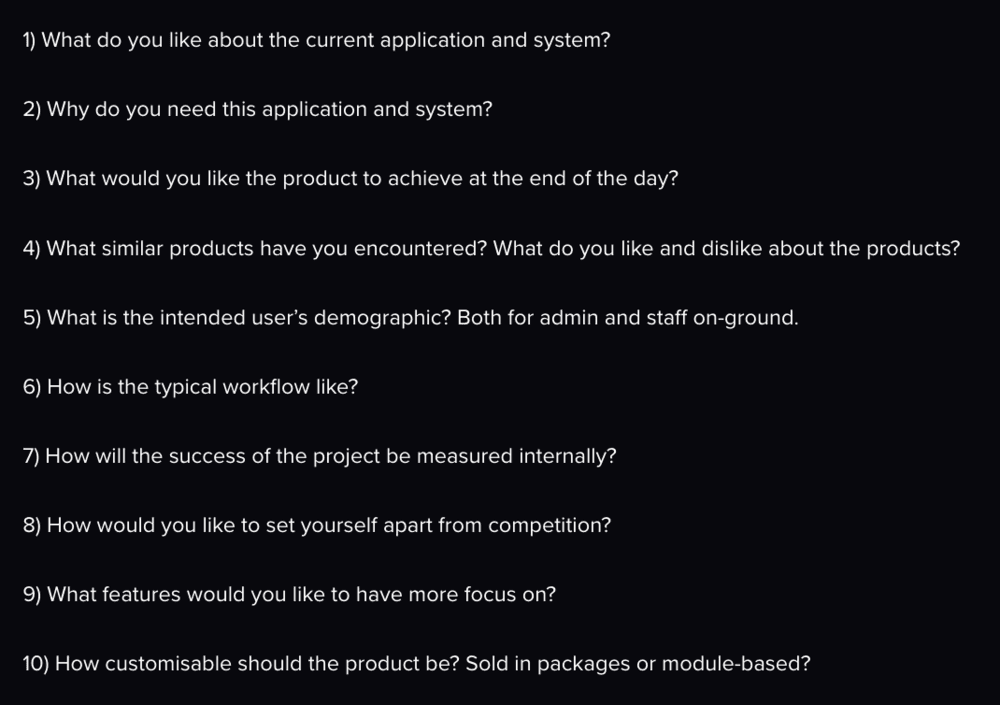
Some of the qualitative or open-ended questions asked during the interviews.
Affinity mapping
We transcribed the interview responses into sticky notes and grouped them thematically. However, some of the notes were falling off the wall and affecting the data, so we switched to digitizing the process using Adobe XD. This kept the data intact and made it more flexible for future use.
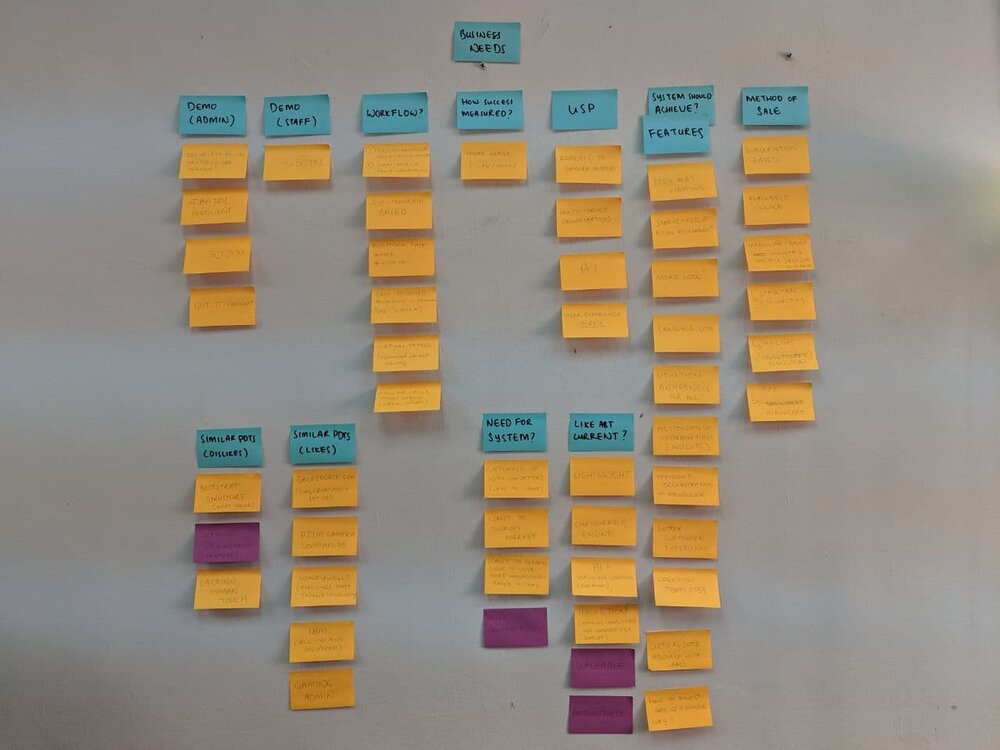
Traditional sticky note in-person affinity grouping that ended up falling everywhere!
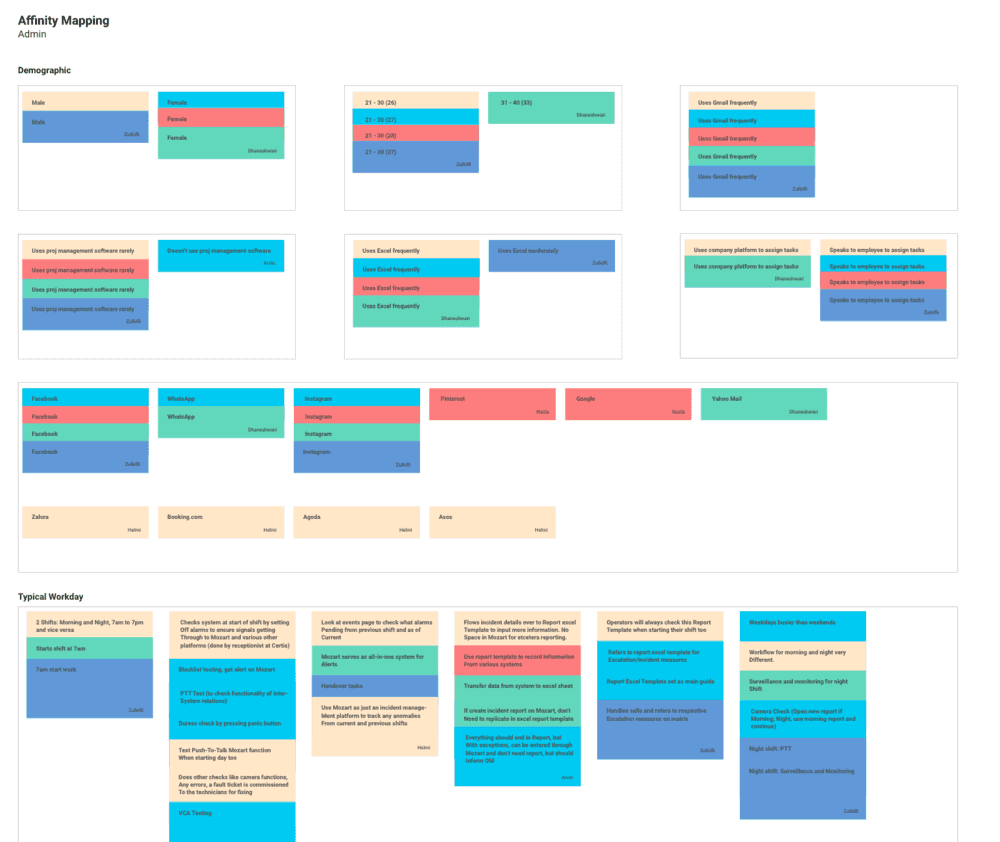
Digitalisation of the same affinity map, color coded by participant.
Accessibility secondary research
To ensure the product was inclusive for all, we conducted secondary research on pre-existing studies regarding the needs of the on-ground security staff, who were primarily aged 45 and above. Below are the findings we presented to the stakeholders, emphasizing the importance of democratizing the product to avoid exclusion.
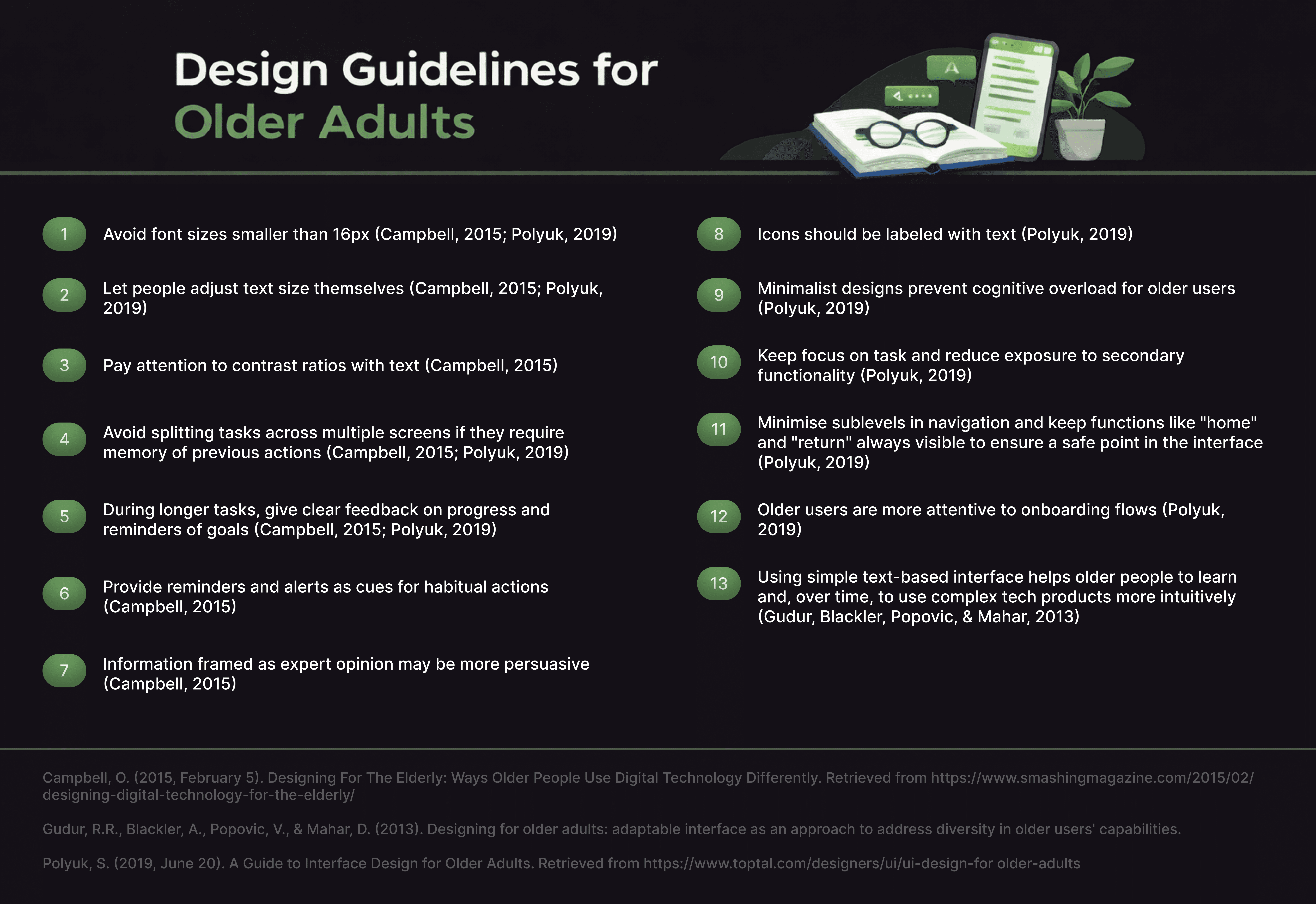
Some crucial learnings from secondary resources from the academics
User personas
The team created user personas for the three different facets of the Titan system - on-ground security staff, operator admins, and superadmins - to better understand the needs and goals of each user group.
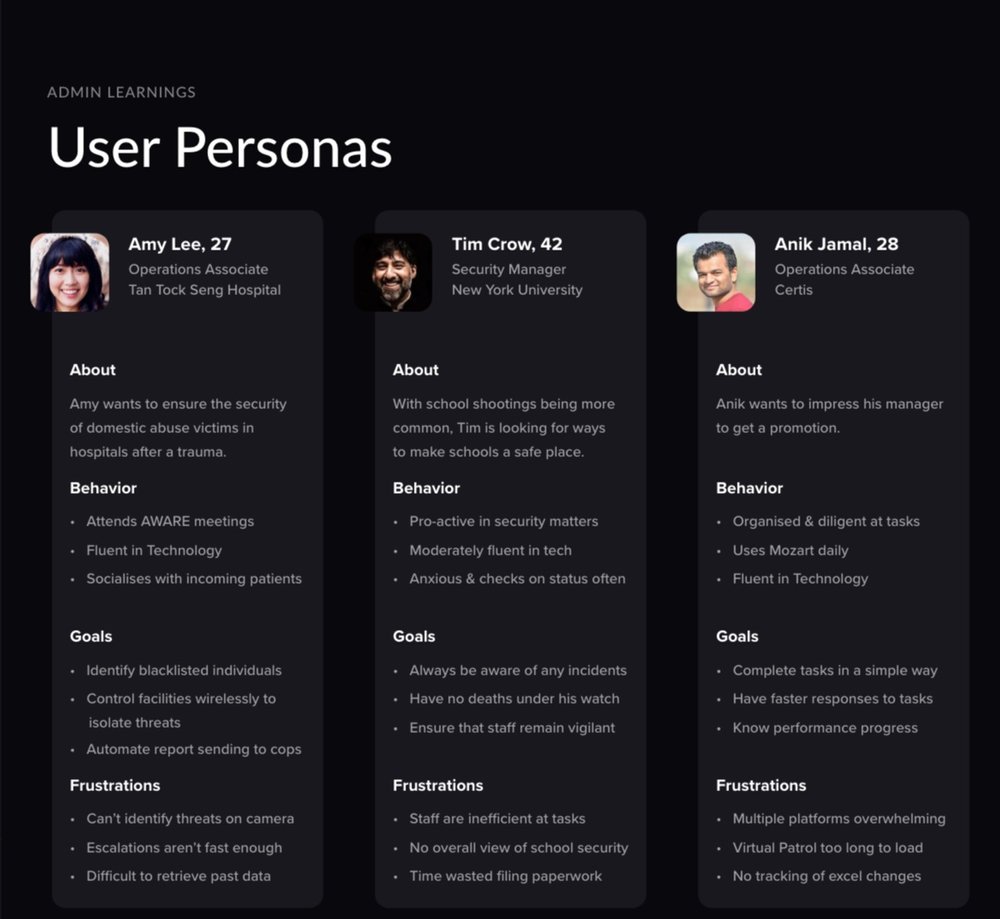
Consolidated admin personas that helped guide the admin experience
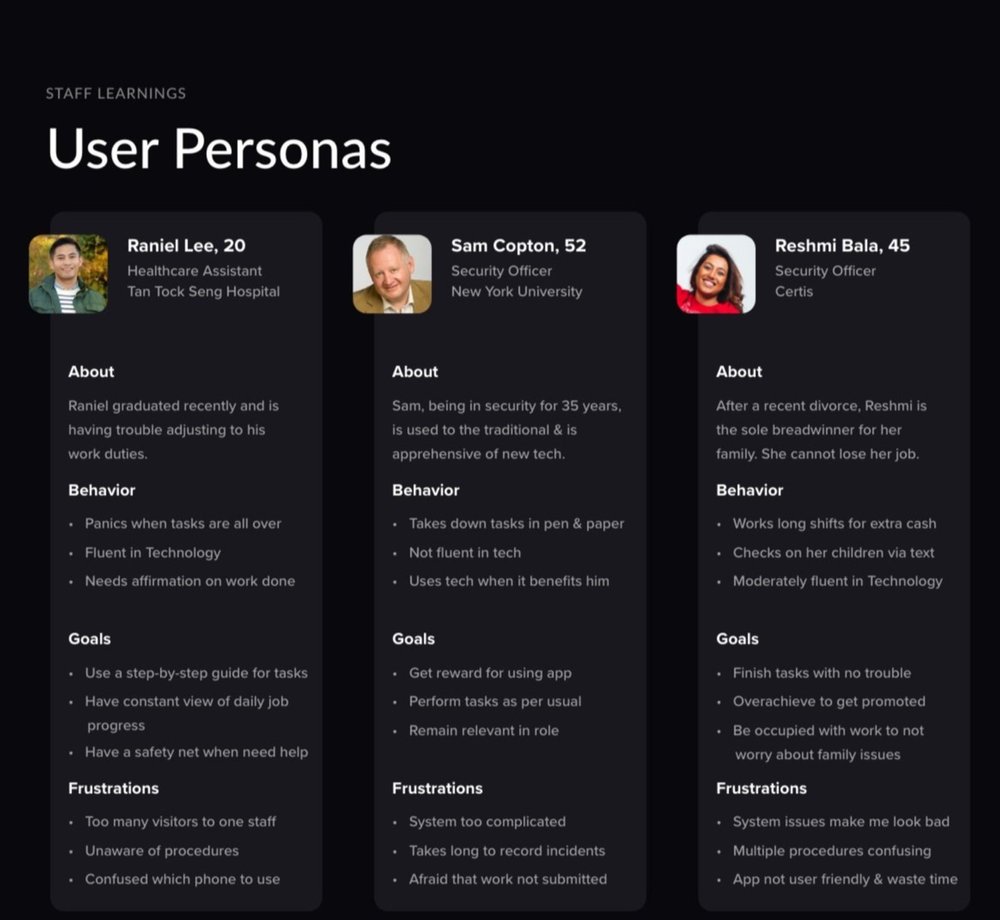
Consolidated staff personas that helped guide the on-ground staff experience
User journeys
We created user personas for on-ground security staff, operator admins, and superadmins, which helped us empathize with their needs and identify opportunities for improvement. Using a user journey chart, we mapped out their everyday tasks and what they needed to achieve to create a product that better suited their needs.
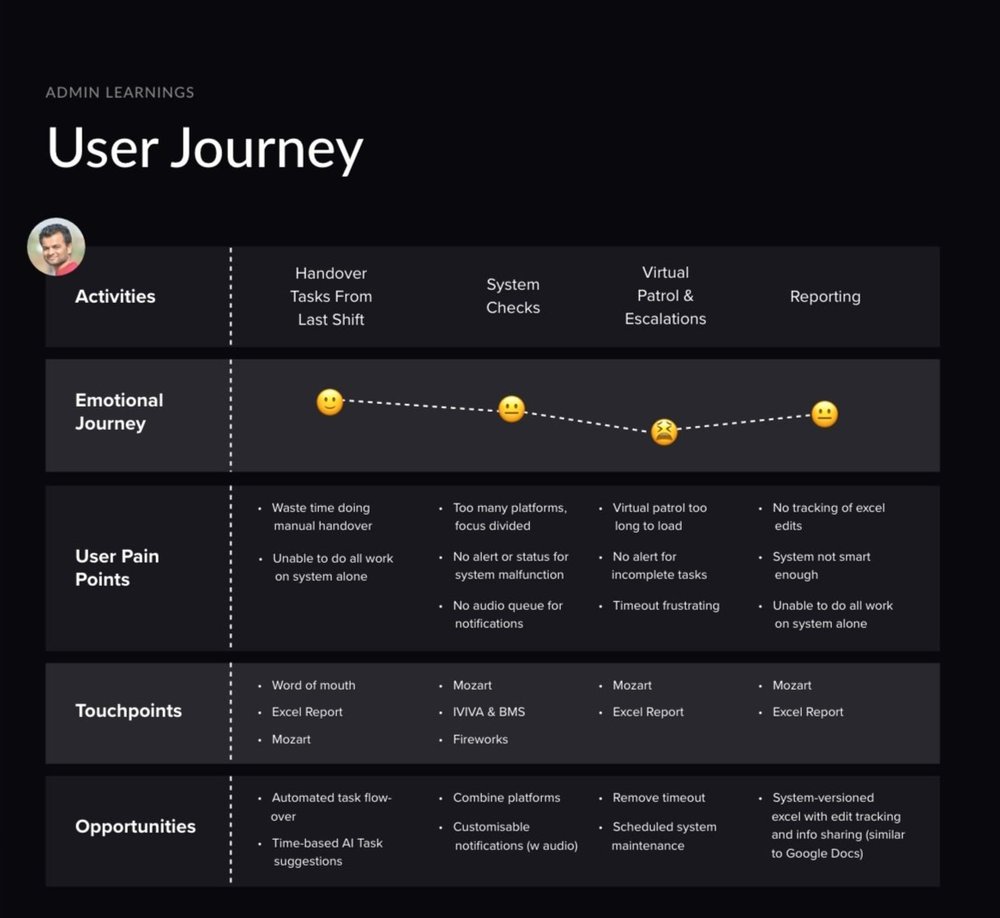
The admin journey with the biggest issue being at the escalation point.
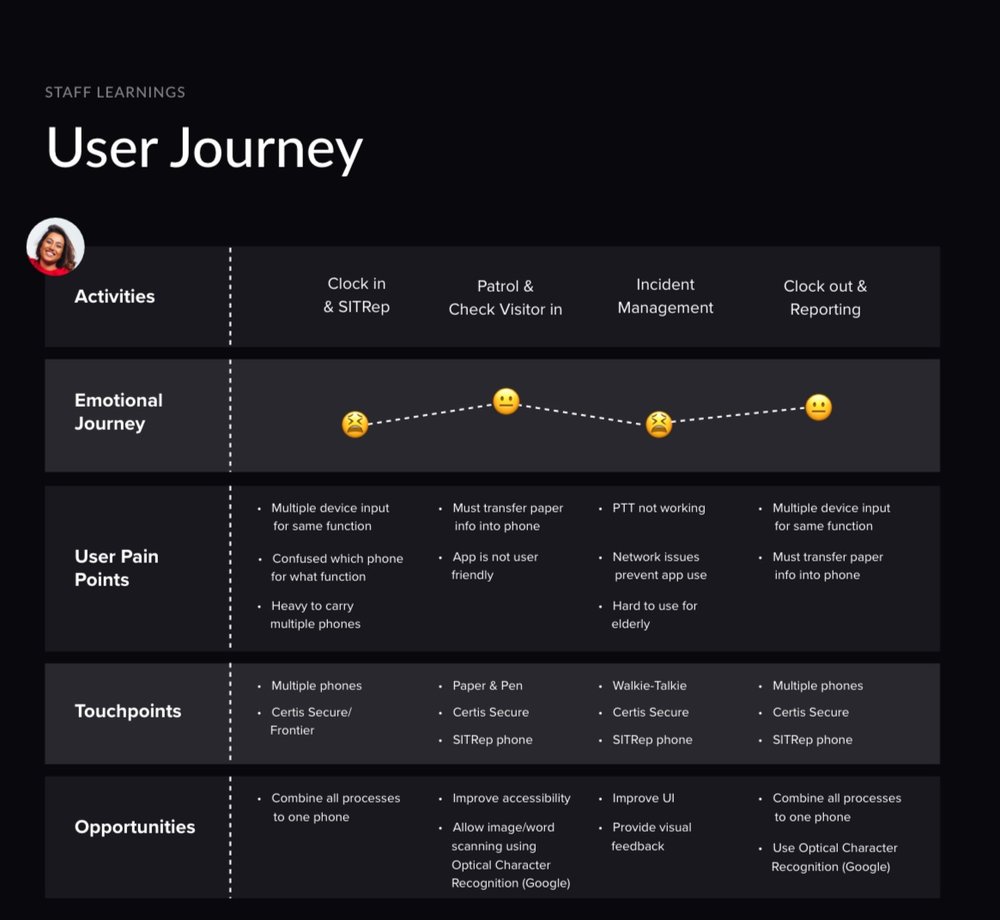
The staff journey with the biggest issue being the actual start-up and incident reporting.
Evolving the information architecture
To redesign the current system, I carefully mapped out the connections and hierarchy among the sub-layers. To stay organized, I kept two notebooks: one for analyzing the current platform's features and architecture, and the other for notes on possible features and clarifications for the redesign. I recorded each checkpoint of my work and named the version statuses according to time, date, and function. Additionally, I sent "last progress" images of my work to my personal Telegram account for efficiency.
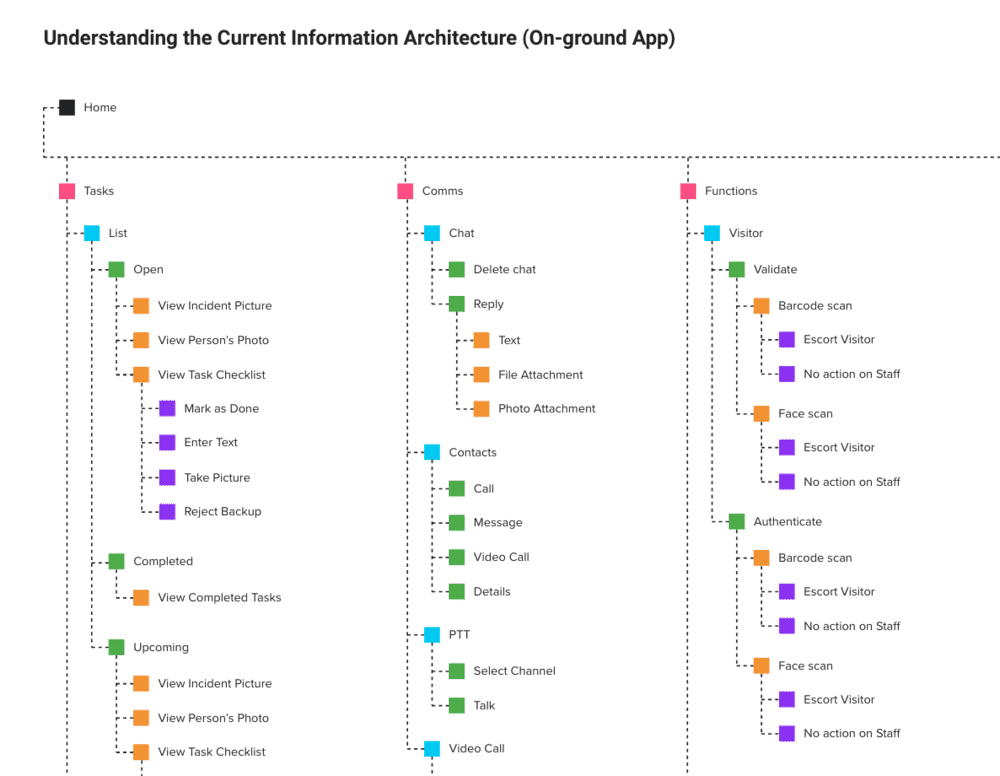
Breaking down the current information architecture behind all touchpoints.
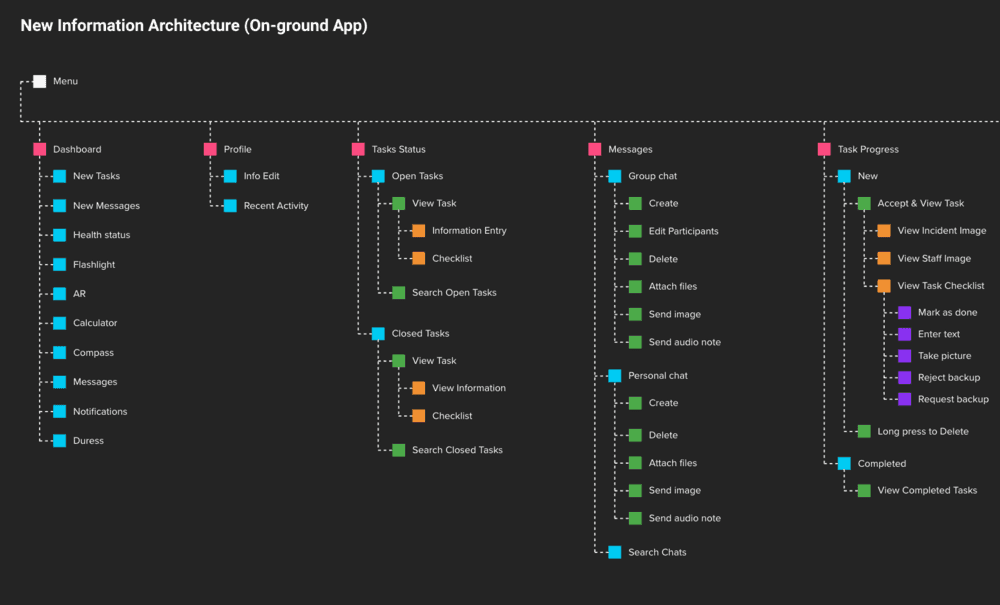
The new architecture suggestion that brings out more crucial information and actions upfront.
Wireframing the product
Before we began writing the script for the voice interactions, we needed to create a generic user flow to show stakeholders how the various Google ecosystem devices would interact with each other in the assistant room experience. This overall communication would be used in every prompt capture of the complete narrative.
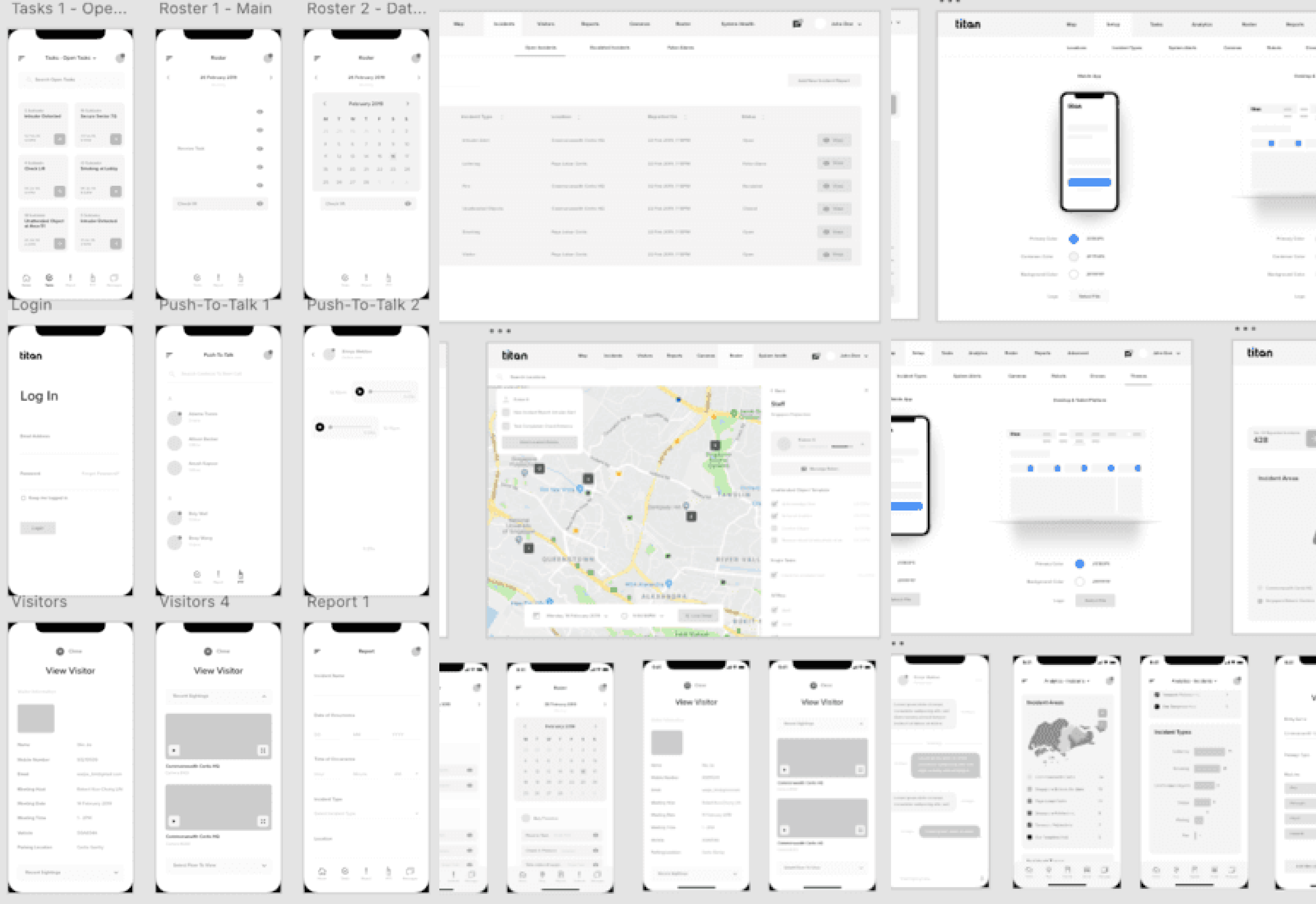
Crafting user flows
We created user flows for all screen sizes on operator and super admin platforms. To reduce cognitive overload, we showed only desktop flows to stakeholders. The remaining flows were kept for developers with added hotspot clues. We provided developers with detailed diagrams reflecting the exact look of the page to ensure full functionality for front-end and back-end capabilities within a tight timeframe.
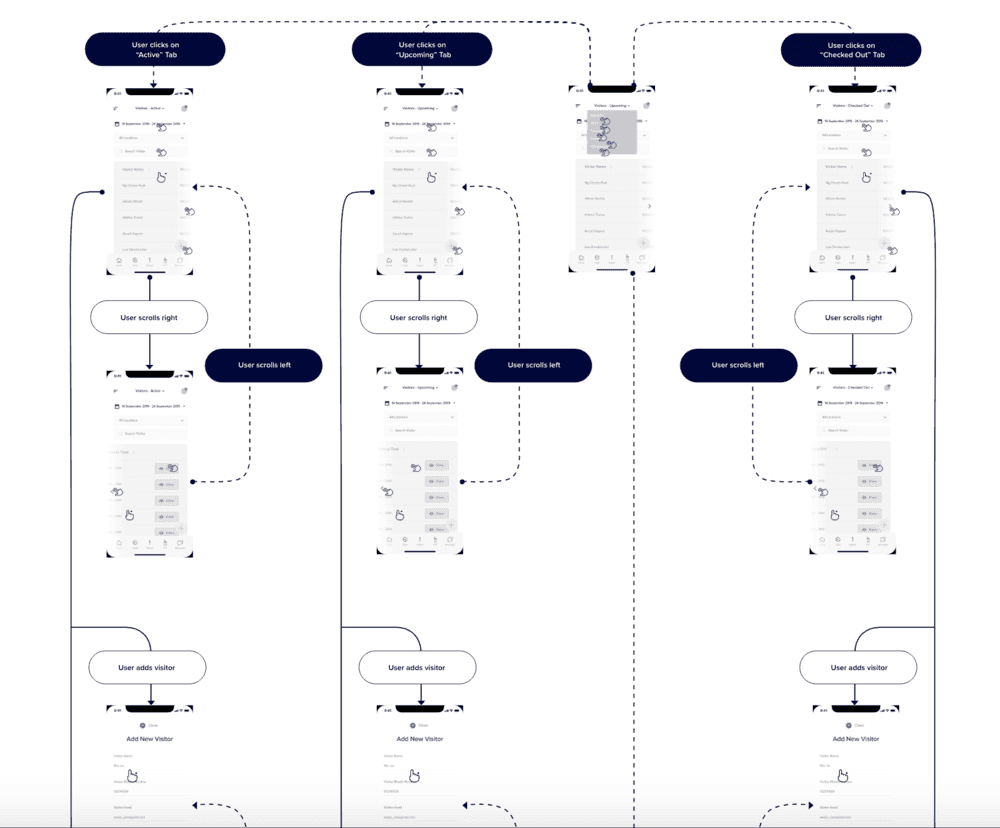
On ground staff app user flow
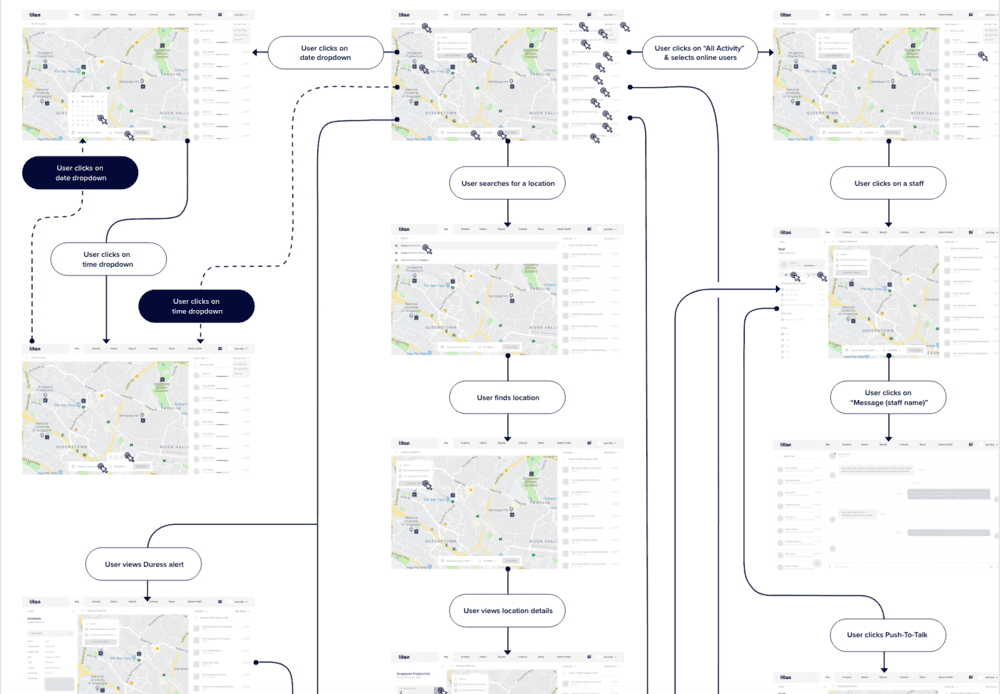
Admin web app user flow
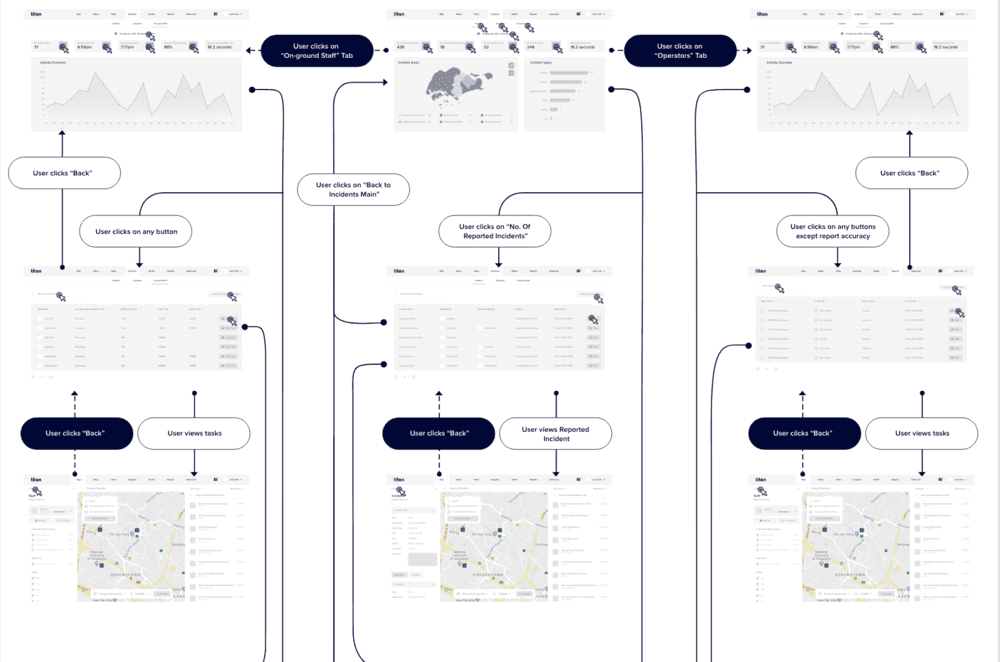
Super admin web app user flow
Branding
To create a unique brand strategy, we identified the client's main branding goals:
To invoke a fresh, modern feel, to garner trust with handling confidential security information.
To be flexible enough to stretch into sister brands.
To create a clean and SEO-friendly outer appearance.
We created a mood board with logos from various companies that conveyed these standards. During a collaborative brainstorming session with the client, we discovered that the globe and circle shape best represented their motto of providing full-circle coverage of security needs worldwide. The main brand name, Titan, was an ode to the strength of the Greek, evoking feelings of security, strength, and protection. It also made it easier for sister brands to reach out under the same Greek language umbrella. Thus, Spartan, Armada, and Helios were chosen as future sister brands.
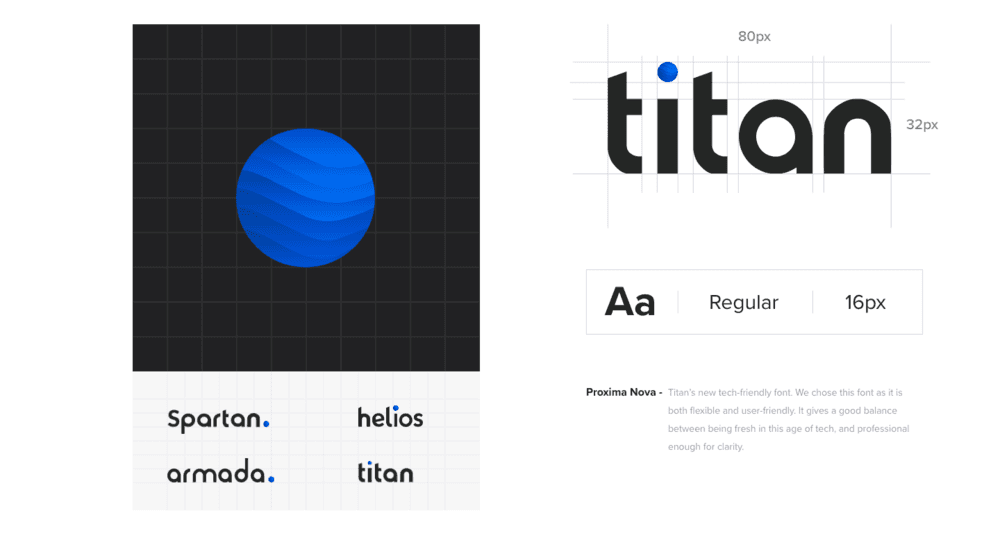
Preview of the brand guidelines for Titan and its sister brands
Prototyping
We put together the separate components to create the first draft of the platform design shown below. We ensured that the platform theme was fully customizable to enable product whitelisting and on-the-spot selling to the customer. To avoid overwhelming the client, we presented the platforms that would be most frequently used by each user group.
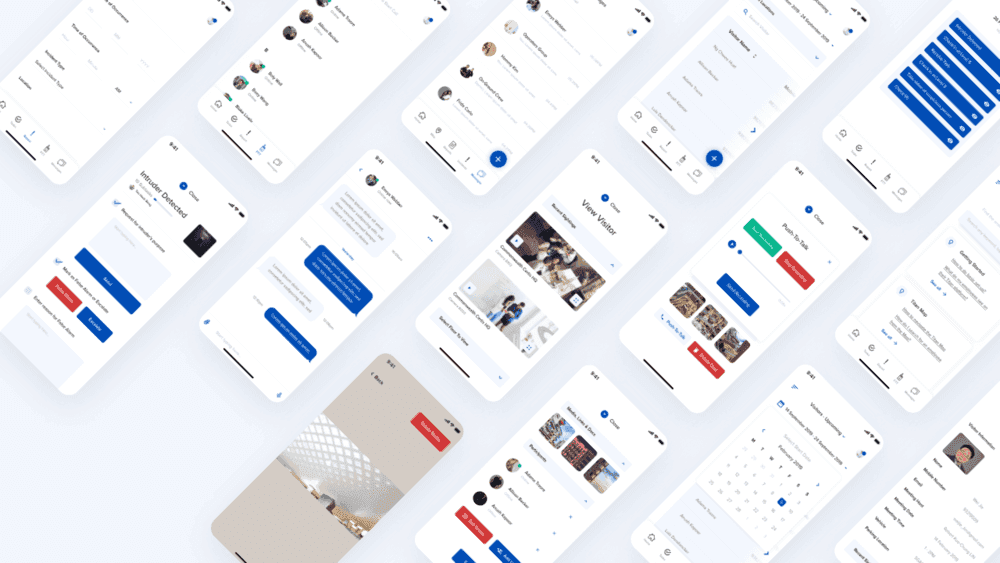
On ground staff mobile app in high fidelity
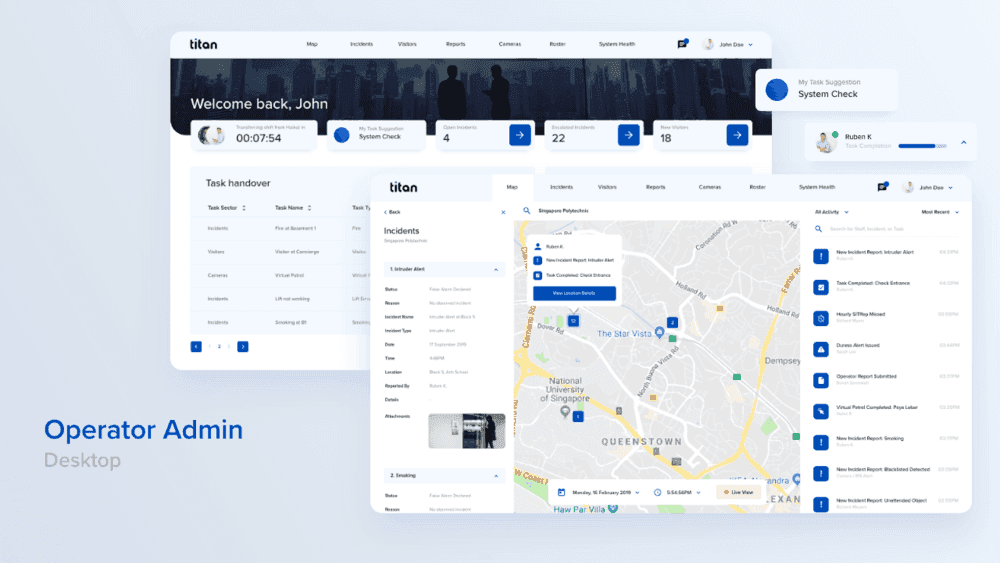
Operator admin web app in high fidelity
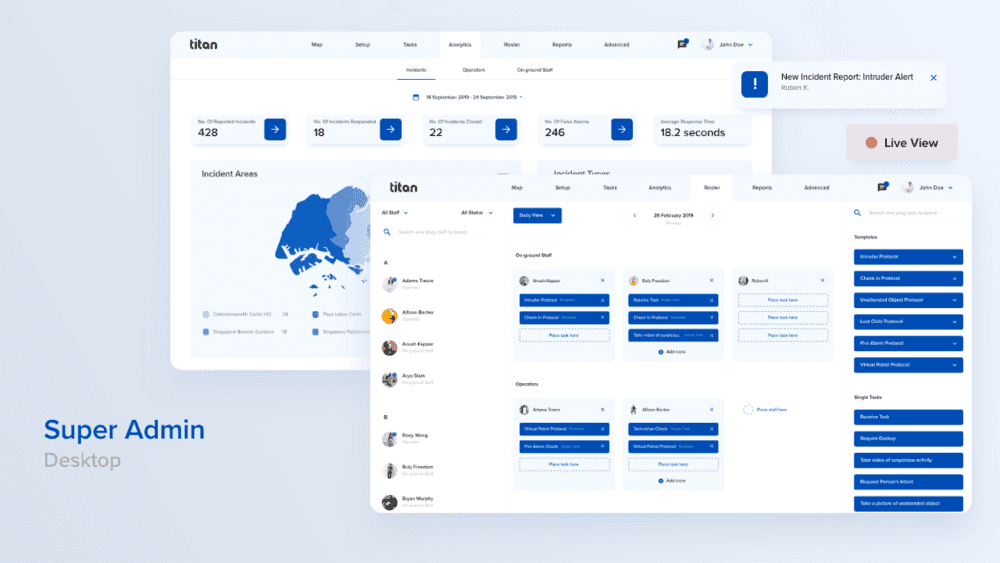
Super admin app in high fidelity
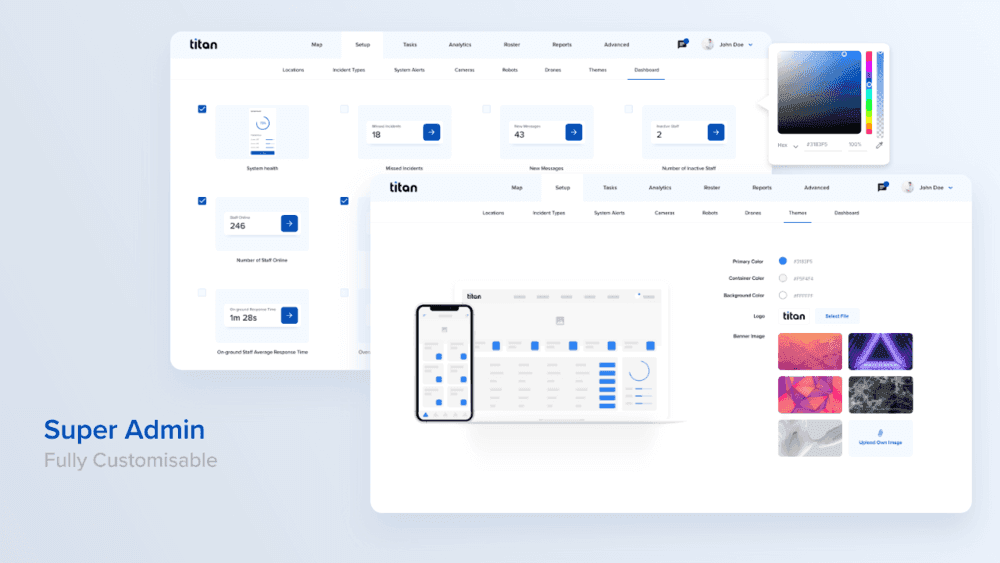
Super admin white labeling customisation in high fidelity
User testing & findings
After speaking with the client and respective teams, we discovered that while the system was easy to use, potential super admin users found it challenging to set up the system to reflect their company's identity. To address this issue, we created a mandatory onboarding process for super admins during their first use.
Onboarding custom setup for superadmins to better represent their brand
Customisation on the go. Complete setup can be done on mobile.
Style guide & component library
With a solid foundation for the product, we began documenting each component used and linked them together using XD's Component & Library feature. This ensured that any changes made to one component would be reflected across all its variations. By doing so, we aimed to make the lives of both developers and future designers much easier in case of any new features or amendments that would need to be made later on.
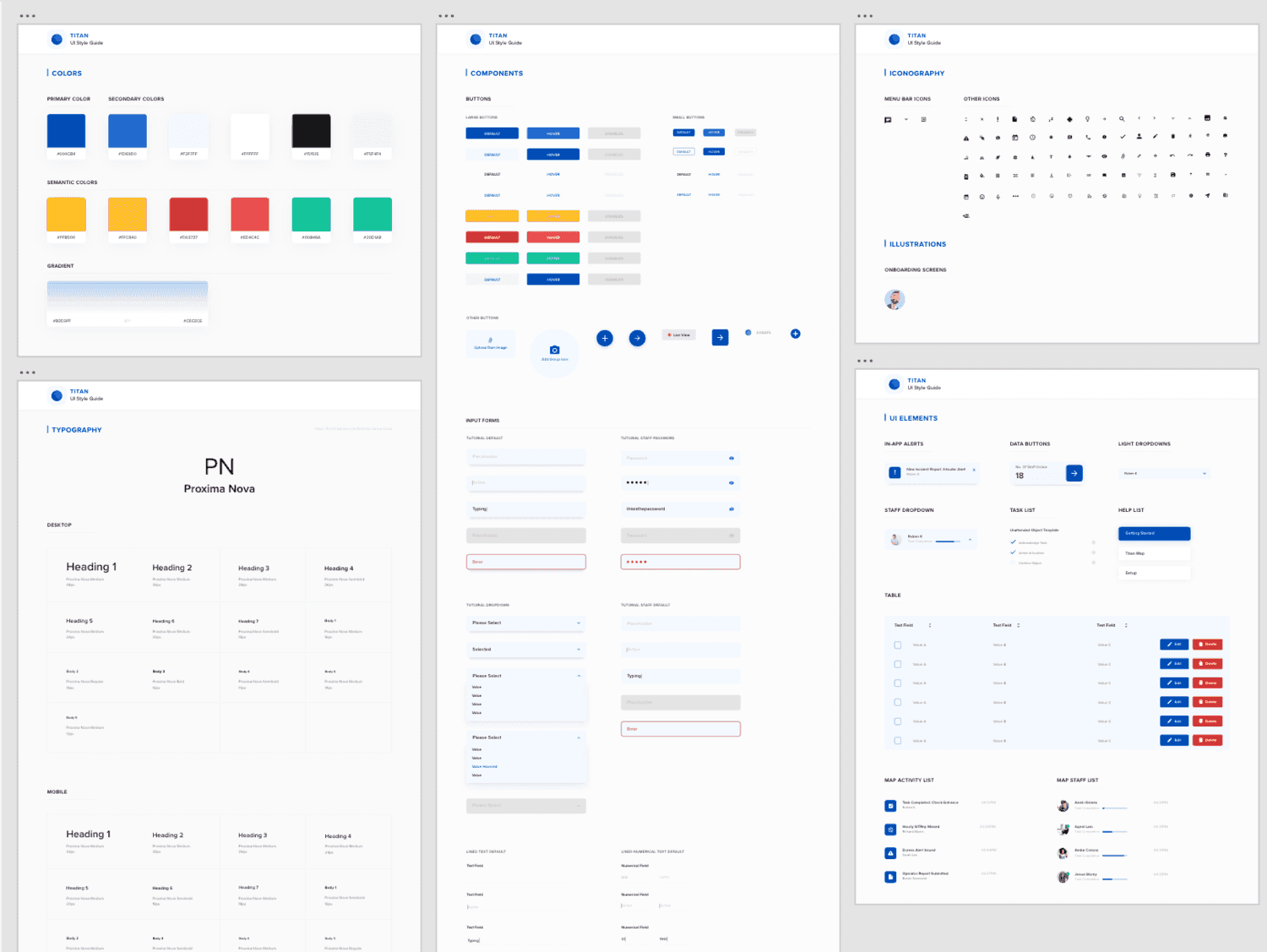
Convenient sticker sheet of base atomic components, patterns & much more
The results
The refreshed suite of experience sweeped the security-sphere and even the nation. It did so well as to be featured on Straits Times as well as Channel NewsAsia for its incorporation into Singapore's very own Jewel Changi.
Cost reduction of 15%
By automating low-risk incident reporting
The system identified low-risk activities and automated incident reporting using new on-ground patrol robots.
Used in Jewel Changi
Ensuring guests safety at all times
With over 5,000 sensors, 200 mobile devices, and 700 CCTV cameras, our orchestrated systems continuously safeguard guests through real-time data insights.
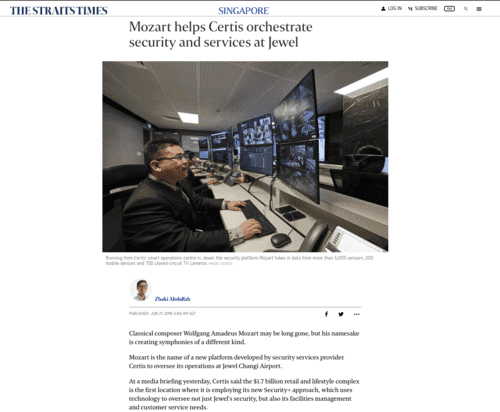
Straits Times feature of the system previously called Mozart before the full rebrand.
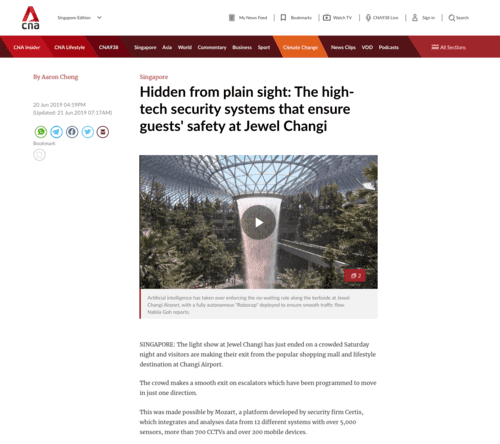
Channel NewsAsia feature of the workings behind the safety of Jewel Changi, Singapore